Beyond the Grease Gun: The Technical Reality of Lubrication Intervals
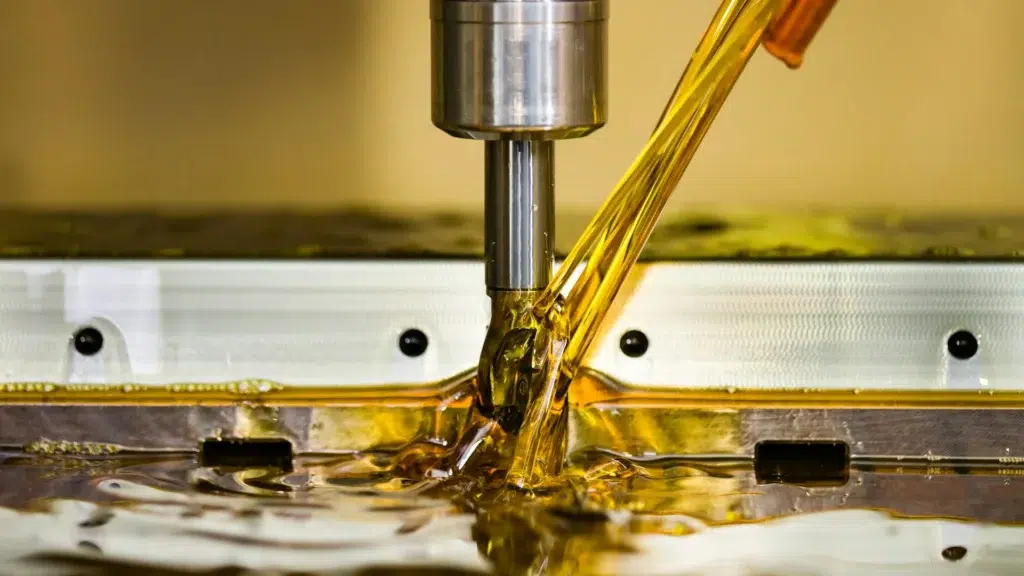
When a millwright manages your lubrication program, they aren’t just “oiling parts”—they are managing the microscopic film of fluid that prevents metal-on-metal destruction.

When a millwright manages your lubrication program, they aren’t just “oiling parts”—they are managing the microscopic film of fluid that prevents metal-on-metal destruction.

When a conveyor jams, a pump cavitates, or a gearbox starts to fail, the mechanical system is “talking” to the electrical system. Understanding this “handshake” allows for faster troubleshooting, reduced downtime, and a more proactive maintenance strategy.
For a business owner or facility manager, the goal is not to eliminate wear—which is physically impossible—but to manage it through the science of sacrifice. By strategically selecting and installing wear liners, you are choosing which material will “sacrifice” itself to protect the permanent structure of your facility.

In a high-volume production environment, precision leveling is not about making sure a machine “looks straight.” It is about managing the physics of force, heat, and vibration.

Understanding the technical nuances of how extreme cold impacts mechanical systems is the only way to ensure your facility doesn’t become a frozen monument to unplanned downtime.

Today, safety isn’t just about a yellow line on the floor; it’s about structural integrity, precise machinery safeguarding, and a paper trail that can withstand a provincial audit.