The Myth of the "Off-the-Shelf" Solution
The Design Process: From Concept to CAD
In the industrial world of the Canadian Prairies, “standard” is often a synonym for “compromise.” Whether you are operating a potash mine in the heart of Saskatchewan or a high-capacity agricultural terminal in Manitoba, your facility has a unique footprint, specific environmental challenges, and legacy systems that simply don’t play well with off-the-shelf equipment.
Most plant managers recognize that millwrights are the ones who show up when a pump seizes or a conveyor snaps. But in 2026, the most valuable tool a millwright brings to your site might not be a wrench—it might be AutoCAD or SolidWorks. Modern millwrighting is increasingly about industrial design and engineering, creating one-of-a-kind mechanical and electrical systems that solve problems standard vendors can’t even see.
The design-build approach used by Custom Millwright Services (CMS) is built on the philosophy that the people who install the machine are the best ones to design it. This “Mechanical-Digital Bridge” starts long before a single beam is welded:
- Process Simulation and Modeling: Using sophisticated simulation, CMS can visualize how a new piece of equipment will interact with your existing line, identifying potential bottlenecks before they become reality.
- 3D Layout Design: By creating 3D models of your facility, millwrights can design custom chutes, transitions, and supports that fit perfectly into tight or irregular spaces, eliminating the need for expensive structural modifications.
- P&ID and Isometric Drawings: Every custom job is backed by professional-grade documentation, including Piping and Instrumentation Diagrams (P&ID) and isometric drawings that ensure long-term serviceability and compliance with safety audits.
Custom Electrical Systems and PLC Integration
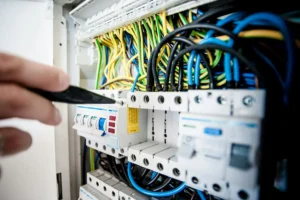
Perhaps the most overlooked aspect of millwright design is electrical integration. Mechanical strength is useless if it doesn’t have the “intelligence” to move correctly. CMS specializes in designing the electrical backbone for mechanical hardware:
- Custom Control Panels: Designing and fabricating panels tailored to your specific voltage and environmental requirements—whether that’s dust-heavy ag terminals or moisture-prone processing plants.
- VFD and PLC Logic: Designing the Variable Frequency Drive (VFD) setups and Programmable Logic Controller (PLC) integration that allow you to fine-tune speed and torque, reducing mechanical wear and energy costs.
- The “Legacy Bridge”: Designing custom interfaces that allow 30-year-old mechanical assets to communicate with modern digital sensors and automation platforms.
Custom Jobs You Might Not Expect
Millwright design often results in innovations that stay “hidden” inside your facility but drive massive gains in efficiency:
- Bespoke Conveyor Reconfigurations: Designing a specialized “S-curve” or high-angle elevator leg to increase grain throughput by 15% within the same building footprint.
- Mining Substation Enclosures: Designing custom, vibration-resistant electrical enclosures specifically for the harsh, underground conditions of uranium and potash mining.
- Specialized Mobile Jigs: Engineering and fabricating custom on-site machining tools designed specifically to repair a one-off, oversized agricultural component that would otherwise be impossible to move.
Why Design-Build Matters for the Bottom Line
When the designer and the builder are the same team, you eliminate the “finger-pointing” that often plagues industrial projects. The transition from blueprint to installation is seamless, significantly reducing project timelines and minimizing the risk of a “fitment error” on shutdown day.
CMS as the Total Solution Partner
Custom Millwright Services is more than a maintenance crew; we are your industrial architects. We provide the brains (custom design), the heart (electrical integration), and the muscle (mechanical installation) to build the custom systems that keep the Prairies moving.